Typical Guy Line Mistakes to Prevent
Man lines look easy. They're just cords that range from your tent or tarpaulin to a risk in the ground, right? But any person that has actually woken up to a flattened camping tent in the middle of a gusty evening recognizes there's even more to it than connecting a knot and hoping for the best. Individual lines are what keep your shelter standing when the climate turns, and tiny errors in how you set them up can mean the difference in between a completely dry, steady night and a soaked, sleepless one. Below are the most usual individual line blunders campers and hikers make, together with exactly how to prevent them.
Skipping Person Lines Altogether
The most typical error isn't a technological mistake in any way-- it's just not making use of person lines when conditions call for them. Numerous outdoors tents pitch just fine without surveying every guy factor on a calm evening, which leads people to presume they're optional. The issue shows up when wind picks up unexpectedly overnight. Guy lines include tension that maintains your outdoor tents's structure stiff, protecting against wall surfaces from waving and posts from bending or breaking. Even if you don't believe you'll need them, it takes just a couple of added mins to clip them in, and that little financial investment of time can save your entire shelter.
Making Use Of the Incorrect Angle
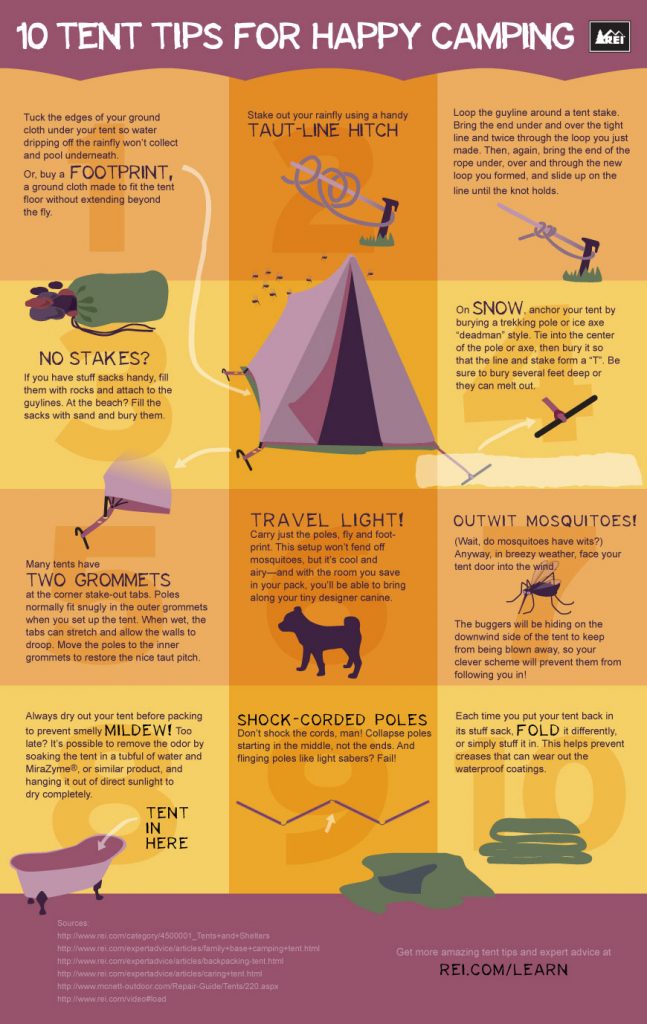
An individual line that runs directly below the outdoor tents to the stake at a steep angle supplies really little real support. For a guy line to do its task, it should prolong external from the attachment point at approximately a 45-degree angle prior to getting to the ground. This angle spreads the load appropriately and provides the line actual holding power versus wind. If you're staking lines too near to the camping tent body, you're basically throwing away the line's objective and leaving your shelter prone to gusts from the side.
Improper Stake Positioning
Also a perfectly tilted guy line is ineffective if the stake does not hold. A typical mistake is driving stakes directly and down into loosened or sandy soil, where they can pull out with a solid gust. Instead, risks should be angled away from the camping tent, approximately perpendicular to the man line itself, to ensure that tension pulls the stake deeper into the ground rather than up and out. In soft ground, consider using longer stakes or burying a rock or log over the risk for added holding power.
Overlooking Line Stress
Individual lines that are also loose flap in the wind and do little to support your shelter, while lines pulled as well tight can put unnecessary anxiety on camping tent material, joints, and poles, often tearing grommets or breaking poles during solid gusts. The objective is a taut line with a small offer, comparable to a guitar string that's tuned but not overtightened. Many tents come with flexible tensioners or line-locks for this precise reason, so make the most of them instead of tying a fixed knot that can't be fine-tuned later.
Forgetting About Reflective or Noticeable Lines
Man lines are infamously very easy to trip over, particularly in low light or at a busy campsite. Choosing non-reflective, dark-colored cable may look smooth, but it's a hazard for you, your outdoor tents, and any individual else going through camp at night. Opt for individual lines with reflective threading, or include little strips of reflective tape if your lines don't already have it. This tiny enhancement avoids accidental journeys that can loosen your arrangement or, worse, cause an injury.
Not Readjusting for Weather Condition Changes
Problems rarely remain the exact canvas backpack same throughout a camping trip. Rainfall can trigger natural fiber cables to swell and tighten up, while synthetic lines could loosen up as temperatures change. An error numerous campers make is establishing person lines when and never ever inspecting them again. It deserves doing a fast tension examine each morning and night, particularly before an inbound storm, to make sure every little thing is still protected and adjusted for present conditions.
Using the Wrong Knot
Finally, knot selection matters more than individuals expect. A basic overhand knot may hold in tranquil weather yet can slip or jam under stress, making modifications hard in the rainfall or dark. Learning a couple of reputable knots, such as the taut-line drawback or a trucker's hitch, offers you an adjustable, secure link that will not loosen unexpectedly however can still be loosened quickly when it's time to pack up.
Last Thoughts
Guy lines could look like a minor detail contrasted to choosing the right outdoor tents or resting bag, however they play a vital function in keeping your shelter undamaged with wind, rainfall, and shifting problems. Staying clear of these common blunders-- skipping lines, inadequate angles, weak stake positioning, incorrect stress, unnoticeable cables, neglecting modifications, and unreliable knots-- will make your following outdoor camping journey substantially more safe and comfy.